Nutrition professionals regularly sing the praises of plant foods. This is because they are a rich source of vitamins, minerals, fibre, polyphenols and antioxidants. And some are naturally high in protein, too. Read on to discover why plant foods are so good for you, men and women included, and your muscles.
Research shows that those living in Western countries (particularly men) don’t eat enough plant foods. That’s disheartening because, according to the EAT-Lancet report published in 2019, “A diet rich in plant-based foods and with fewer animal source foods confers both improved health and environmental benefits.”
Plant-based foods are the cornerstones of a healthy diet. Studies continually show that a high consumption of these foods leads to better health, a reduced incidence of heart disease and diabetes, and assists with weight management. A bonus is that a dietary pattern like this is better for the environment. Nevertheless, we don’t need to cut out meat altogether (if you choose to include it), but we should be more plant-focused.
A high intake of red meat, including processed red meat, is associated with an increased risk of mortality and major chronic diseases such as coronary heart disease and colorectal cancer. So it’s interesting to note that Australian men regularly consume unprocessed red, processed, and total meat and have larger estimated intakes than Aussie women. What’s more, studies show that substituting plant-based foods for red meat effectively reduces rates of coronary heart disease in men. Nuts, soy, and legumes offer more heart protection than other plant foods, dairy, and eggs.
It is true that protein is the nutritional king of the jungle. It’s essential for the growth and maintenance of muscle and to support our immunity. In addition, it’s instrumental in hormone production and provides the structure for the body’s connective framework. However, protein can be widely found in the food supply; it’s not exclusively found in animal foods. So, you don’t need to worry about jeopardising your gym gains or perceiving plant-based foods as emasculating.
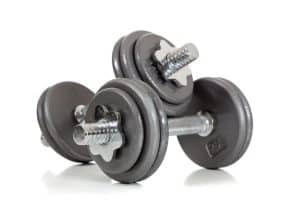
Further, a man’s protein requirements are not overly high. As a baseline, men’s recommended dietary intake (RDI) is 0.8g per kilogram of body weight. For an average 70kg man, this equates to 56 grams of protein. However, the RDI for protein does increase depending on activity levels. Men looking to build muscle may need up to 1.2-2g of protein per kilogram of body weight.
Here are some protein-rich plant-based foods that men can include in their diet without fear of falling short of their protein targets. Your insides, muscles and the environment will thank you for it.
Beans
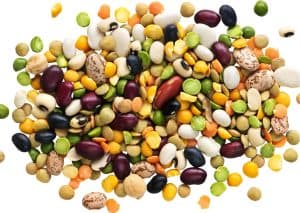
Beans are jam-packed full of nutrients such as vitamins B1 and B6, folate, iron, magnesium, phosphorous, copper, potassium, zinc and selenium. Plus, they are low in fat, high in low GI carbs and fibre and contain a good amount of protein. In addition, studies show that eating beans can help to reduce cholesterol levels due to their soluble fibre content. What’s more, Australian men (and women) consistently fall well short of their fibre requirements. So, eating more fibre-rich foods that also contain protein should be the order of the day for American males. It’s a win-win.
They are a winner from every angle. Include them with tomato sauce, and you’ll get a good dose of lycopene—an antioxidant shown to aid prostate health.
Lentils
Lentils should be lauded for their versatility and nutritional qualities. They are a rich source of protein, low GI carbs, fibre, iron, folate, magnesium and potassium. Plus, they comprise more than 25% protein, so you get 9g of muscle-building protein in a ½ cup serve. There’s so much to like about lentils from a culinary perspective, too.
Lentils are a perfect addition to hearty soups, stews, and salads. They can even be combined with minced meat to make a sauce for Bolognese or lasagna. Lentils are a staple in African, Asian, and Mediterranean cultures.
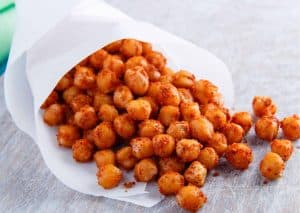
Chickpeas
Chickpeas pack a nutritional punch. They are a good source of protein, calcium, iron, magnesium, phosphorous, zinc, copper, manganese and magnesium. They are also naturally low in fat, sugar and salt. Studies show that those who eat legumes such as chickpeas regularly can better manage their weight and have less incidence of heart disease. Plus, a ½ cup serve delivers over 7g of protein.
Soy milk
Soy milk is made from dried soybeans that are soaked and crushed with water. It has a similar nutritional profile to cow’s milk in that it’s a rich source of protein, carbohydrates, B12, and riboflavin. Soy milk also contains isoflavones, known as phytoestrogens. Research indicates that phytoestrogens can reduce the risk of coronary heart disease, and there is no evidence that they lower testosterone levels.
Try adding soy milk to your post-workout protein shake and enjoy its nutty flavour profile, plus reap its other nutritional benefits.
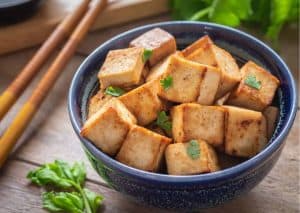
Tofu
Soy is an unheralded food for men. Not only is it a fantastic source of protein, but it may also help reduce the risk of prostate cancer and lower cholesterol levels. It tastes great in a burger or barbecued. You may either love or hate tofu, but at 12g of protein per 150g serving, it delivers iron, fibre, copper, magnesium, and calcium (if it’s set with calcium sulphate); there’s so much to like.
Tempeh
Tempeh and tofu are cousins. Tempeh is also made from soybeans, but it’s fermented and condensed into a firm, dense structure. As a result, tempeh is more robust than its more famous relative. However, it boasts a higher protein content (double) and contains more fibre, iron and potassium. In fact, including a serving of tofu and tempeh in place of meat will not jeopardise your gym gains and can be a budget-friendly way to boost your protein intake..
From a culinary perspective, you can use tempeh in similar ways to tofu.
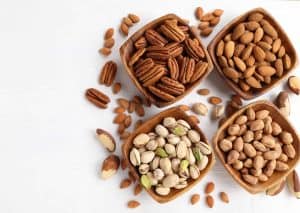
Nuts
Nuts are nutritional powerhouses and rich sources of fibre, protein, folate, calcium, zinc, potassium, magnesium and antioxidants. Despite their high-fat content, nuts may help aid weight loss. A meta-analysis and systematic review of over 100 studies spanning 20 years found that consuming nuts reduces heart disease risk. Nut to mention (pun intended), one study found that eating two ounces of nuts a day was linked to better sexual health in men. This finding may be related to the vitamin E content in nuts, which is important for male fertility. So, go nuts! Add them to stir-fries and salads, use them as a topper on your yoghurt or morning cereal, or eat them as they are.
Whole grains (to a lesser extent)
Whole grains are nutritional gems that boast a good protein and fibre content and contain a raft of essential vitamins and minerals. Research shows that men who consume whole grains regularly as part of their diet have an 18% reduced risk of developing heart disease than men who don’t readily eat whole grains. Plus, the high fibre content of whole grains may also assist with weight management by increasing satiety. Fantastic options that you can find in your local supermarket include brown rice, quinoa, freekeh, teff, whole wheat, rye, sorghum and oats.
Make no missed steak about it. Including more plant-based protein foods will help you to sustain and build on your efforts in the gym. And they may just give you a new lease on life. So, let’s start seeing plant foods as the quintessential dude food.
Bon appetit, gentlemen.