
Do you ever feel like you need to make a dash to the toilet rather than the finish line on a long run? Well, you’re not alone.
Exercise can help combat bowel troubles such as constipation and diverticular disease and reduce the incidence of digestive system cancers. However, in some athletes (e.g. runners and triathletes), a sudden urge to go to the bathroom can hit you like a ton of bricks during a race. This is known as runner’s trots.
Let’s explore what happens in your gut and how to better manage your bowel troubles to help you run like a champ.
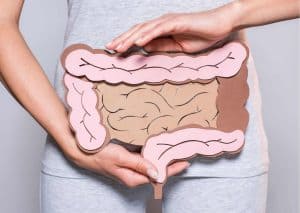
Runners are more prone to gastrointestinal upset than other athletes, and elite runners are at a higher risk than recreational competitors. The reasons for this are manifold. For example, blood is redeployed away from the gut to working muscles, body temperature rises, fluid is lost, and neurological and hormonal functions (e.g. insulin and noradrenaline) undergo changes, which can all affect our gastrointestinal system. Add anxiety to the mix, and it breeds the perfect environment for a stressed-out gut, increasing the likelihood of an incident.
Research also shows that female runners are more prone to abdominal upset than their male counterparts. However, the reasons for this aren’t entirely clear.
Dehydration is a genuine concern for high-intensity exercisers. Even a small amount of fluid loss (2% of body weight) can lead to profound consequences such as nausea, poor exercise output and gastrointestinal discomfort (including diarrhoea). To compound the harmful effects of dehydration, a reduction of blood flow to the gut can also intensify the symptoms. This is why runners, compared to other athletes, are at an increased risk of tummy upset.

Food intolerances can also play their part. Irritable bowel syndrome (IBS) is a broad term for a range of gut symptoms such as diarrhoea/constipation, flatulence or abdominal pain. Fermentable carbohydrates, known as FODMAPs, can exacerbate IBS. Lactose, fructose, and sugar alcohols (aka polyols) may be malabsorbed in the digestive system and then cause havoc in the large bowel, where they undergo fermentation. Symptoms of IBS can be intensified by exercise. Identifying specific intolerances and trigger foods is crucial for any athlete to ensure that these undesirable symptoms do not impact one’s quality of life and exercise performance. A sports dietitian can assist with this process.
But there is some good news to help you hit the pavement and not the toilet stalls.
Stay well hydrated, and eat a low fibre, fat and protein meal before exercise to also effectively reduce the incidence of runner’s trots. These three nutrients can delay the passage of food through the digestive system, so food remains in the gut for longer. So it makes sense to eat a smaller meal or snack that can be quickly digested, 1-2 hours before the event. Appropriate low fibre options include rice cakes, sports drinks, pikelets, jam sandwiches and muesli bars.

Reducing caffeine intake and abstaining from alcohol before a race is also best practice. Both caffeine and alcohol can activate the colon and increase the need to go to the toilet. So avoid tea and coffee before a race. Alcohol can also cause dehydration and impair performance, so it’s common sense to lay off the “beverages” in the lead-up to a run.
Running long distances is hard enough when you have to battle muscle fatigue, heat, inclement weather and the threat of “hitting the wall”. Therefore, better managing your gut troubles should be a high priority for both athletes and weekend warriors. Because striving to be number one, rather than for number twos, is every runner’s goal.