Rising food, fuel, and gas prices are prompting many of us to track our spending more closely. New data shows that the cost of living is increasing rapidly, and Australians are hungry (pun intended) for new ways to save money.
It’s not all doom and gloom, though.
Contrary to popular belief, it doesn’t cost more to eat healthier – it’s just a matter of being a little savvier. Stocking your fridge, freezer and pantry with staple foods will likely make your already busy lives less stressful and ease the burden on your hip pocket.
Here are my top go-to inexpensive foods that are always in my kitchen and that you should keep on hand, too. What’s more, you can use these budget-friendly ingredients in many delicious and nutritious meals and snacks.
Let’s go shopping!
Frozen berries
Berries are nutritional powerhouses. They are rich in antioxidants, low in sugar, and contain a good whack of fibre. There is some evidence to show that including berries as part of a healthy diet can improve insulin sensitivity and reduce blood pressure. So, they’re good for your insides, too. Frozen berries are also extremely versatile – add them to your morning brekkie cereal, blitz them into a smoothie, serve them with yoghurt, or eat them once thawed.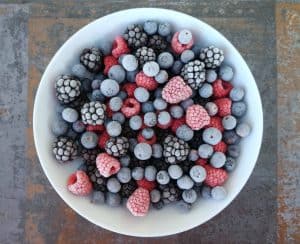
Eggs
Eggs are jam-packed full of protein, vitamin B12, heart-healthy fats, phosphorus, selenium, iodine, folate and vitamin A. You get all that for about 60c a unit. That’s egg-cellent! Eggs are culinary superstars – turn them into omelettes and frittatas, and include them on toast and in baked goods. Talk about the quintessential kitchen ingredient.
Tinned beans and legumes
Tinned beans and legumes are highly nutritious, containing vitamins B1 and B6, folate, iron, magnesium, phosphorus, copper, potassium, zinc and selenium. Plus, they are a great source of sustained energy and fibre, and they contain an impressive amount of protein. Add them to your salads, stir-fries, stews, casseroles, soups, and tacos. Check out my lentil Bolognese using tinned lentils for some inspiration.
Bread
Bread is rich in vitamins, minerals, phytonutrients, complex carbohydrates, and fibre. Make a humble sandwich for lunch with a range of colourful veggies and a protein source, such as tinned fish, egg, or cheese, for a highly nutritious and economical meal.

Tofu and tempeh
Soy products are high in protein and fibre, low in total and saturated fat, and naturally cholesterol and lactose-free. They are a fabulous source of plant-based protein and a cheap alternative to meat. They are SOY good for you and your hip pocket.
Cheese, milk and yoghurt
Dairy foods are downright delicious, but they are also extremely healthy and inexpensive. These dairy products contain over ten nutrients necessary for our general health, nervous system and muscle function, energy levels, and bone health. So, you get a whole lot of bang for your buck!
Embrace dairy foods as part of your diet, and be sure to keep staples like cheese, milk and yoghurt on hand.

Frozen veggies
The differences in nutritional value between fresh and frozen vegetables are minimal and unlikely to impact your health. Eating more veggies is excellent for your health! Frozen veggies are akin to a culinary security blanket – they’re quick, convenient, versatile and highly nutritious.
Important to note, this list is not exhaustive! Notable omissions include tinned fish, lean meats, nuts, pasta, brown rice, dried herbs, seeds, whole grain muesli bars, wholemeal flour, passata, and breakfast cereal.
With these ingredients, you’ll not only delight your family with some delicious feasts but also save some money in return. It’s a great way to maintain your bank balance and promote good health.